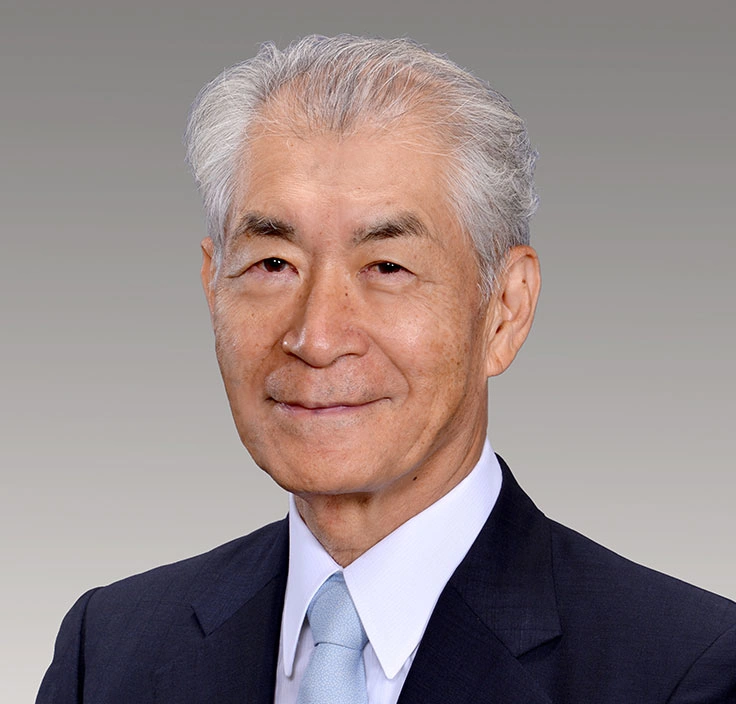
Dr. Tasuku Honjo stands as a preeminent figure in modern immunology whose foundational discoveries have transformed cancer treatment paradigms worldwide. Born in Kyoto in 1942, he earned his M.D. from Kyoto University in 1966 followed by a Ph.D. in Medical Chemistry from the same institution in 1975. His early research career included formative postdoctoral work; Tasuku Honjo was a postdoctoral fellow at the U.S. National Institutes of Health (NIH) for part of his early career, specifically in 1973–1974 at the National Institute of Child Health and Human Development, and later returned intermittently as a visiting fellow; he spent 1971–1973 as a postdoctoral fellow at the Carnegie Institution of Washington before moving to NIH[2][4][6], where he investigated the genetic basis of immune responses. He subsequently held faculty positions at the University of Tokyo (1974-1979) and Osaka University (1979-1984) before returning to Kyoto University where he has served since 1984, currently holding the distinguished position of Distinguished Professor and Deputy Director-General of the Kyoto University Institute for Advanced Study.
Dr. Honjo's groundbreaking research elucidated the mechanism of immunoglobulin class switching, explaining how B cells dynamically alter antibody production in response to diverse pathogens, a fundamental discovery that reshaped immunological understanding. His most transformative contribution came with the identification of the PD-1 protein and its regulatory role in immune responses, a discovery that revealed how cancer cells exploit this pathway to evade immune detection and established the foundation for revolutionary immunotherapies. This seminal work directly led to the development of checkpoint inhibitor therapies that have dramatically improved survival rates for patients with previously untreatable cancers including melanoma and lung cancer. The profound clinical impact of his research earned him the 2018 Nobel Prize in Physiology or Medicine, which he shared with James P. Allison, for their discovery of cancer therapy by inhibition of negative immune regulation.
Beyond his research achievements, Dr. Honjo has provided exceptional leadership in the global immunology community through his presidency of the Japanese Society for Immunology and service as Director of the Center for Cancer Immunotherapy and Immunobiology at Kyoto University. His 2016 Kyoto Prize in Basic Sciences recognized not only his scientific contributions but also his visionary approach to translating basic science into life-saving clinical applications. As a Distinguished Fellow of the American Association of Immunologists, he continues to mentor the next generation of researchers while advancing the field of cancer immunotherapy through his ongoing investigations into novel immune regulatory mechanisms. Dr. Honjo's work represents a paradigm shift in oncology, demonstrating how strategic manipulation of the body's own immune system can overcome cancer's defenses and establishing immunotherapy as a cornerstone of modern cancer treatment worldwide.