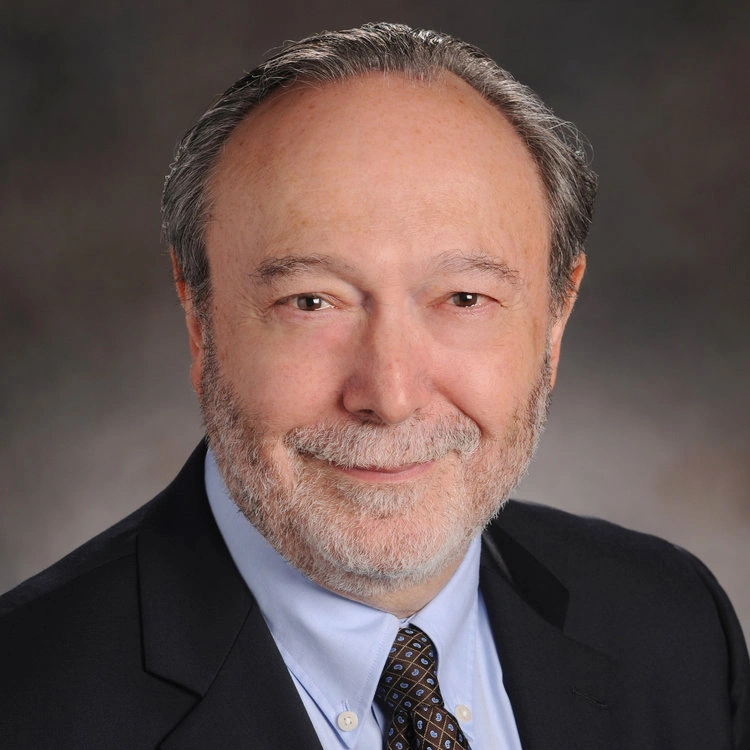
Dr. Stephen W. Porges is a distinguished neuroscientist whose pioneering work has fundamentally reshaped our understanding of the autonomic nervous system's role in human behavior and trauma response. He currently serves as Distinguished University Scientist at the Kinsey Institute, Indiana University Bloomington, and Professor of Psychiatry at the University of North Carolina at Chapel Hill, where he directs the Kinsey Institute Traumatic Stress Research Consortium. After earning his PhD in Psychology from Michigan State University, he established a distinguished academic career with previous appointments as Professor at the University of Illinois Chicago and the University of Maryland, where he directed the Brain-Body Center at the College of Medicine. His interdisciplinary approach bridges psychology, neuroscience, and evolutionary biology, positioning him as a unique voice in the study of physiological responses to stress and trauma.
Dr. Porges' groundbreaking contribution to science is the Polyvagal Theory, which he first proposed in 1994 and has fundamentally reshaped our understanding of how the autonomic nervous system governs social behavior, emotional regulation, and trauma responses. This influential framework identifies three evolutionary stages of the autonomic nervous system, with particular emphasis on the role of the vagus nerve in promoting safety and social connection. His theory has catalyzed a paradigm shift in trauma treatment approaches, moving beyond traditional models to incorporate physiological state regulation as a foundation for therapeutic intervention. The practical application of his work is exemplified by the development of the Safe and Sound Protocol, an evidence-based auditory intervention that has shown significant promise in treating trauma-related conditions and improving social engagement.
Beyond his theoretical contributions, Dr. Porges has been instrumental in building research infrastructure for trauma studies through the Traumatic Stress Research Consortium, which documents the effects of trauma on intimate relationships and develops novel treatments to reverse these effects. His scholarly impact is substantial, with over 64,000 citations according to Google Scholar, and his work has been translated into numerous publications including influential books such as The Pocket Guide to Polyvagal Theory and Polyvagal Safety. As founder of the Polyvagal Institute, he continues to advance the application of his theory across disciplines including psychotherapy, education, and healthcare. His ongoing research focuses on developing physiological markers of trauma recovery and refining interventions that leverage the body's innate capacity for self-regulation, ensuring his continued influence on the future of trauma-informed care worldwide.