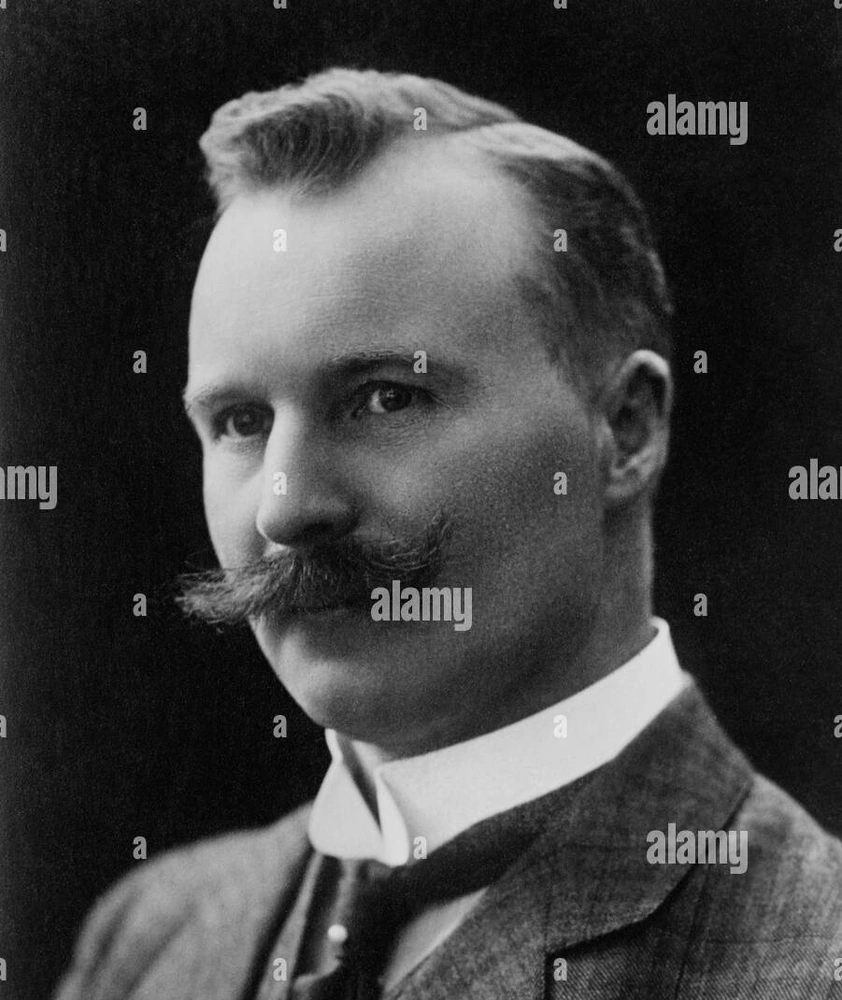
Nils Gustaf Dalén was a pioneering Swedish engineer and inventor born on November 30, 1869, in Stenstorp, Sweden, who revolutionized maritime navigation through his technological innovations. Despite initially managing his family's farm and developing mechanical aptitude through practical applications like inventing a milk-fat tester that impressed Gustaf de Laval, he was encouraged to pursue formal engineering education at Chalmers University of Technology in Gothenburg. After completing additional studies at ETH Zürich in Switzerland, Dalén returned to Sweden to establish himself as a consulting engineer, eventually becoming Chief Engineer of the Gas Accumulator Company in 1906. His career reached new heights when he was appointed Managing Director of Svenska Aktiebolaget Gasaccumulator (AGA) in 1909, a position he would hold until his death, transforming the company into one of Sweden's most innovative industrial enterprises.
Dalén's most significant contributions centered on the safe storage, regulation, and application of acetylene gas for maritime navigation systems. His invention of Agamassan, a porous compound of asbestos and diatomaceous earth that safely absorbed acetylene, eliminated the explosion risks associated with handling this volatile gas and enabled its widespread use in lighthouse illumination. The development of his automatic sun valve (Solventil), which utilized differential thermal expansion of metal rods to activate lighthouse beacons at dusk and deactivate them at dawn, represented a revolutionary advancement in unattended maritime signaling technology. This innovation, along with his automatic regulators for gas accumulators used in lighthouses and buoys, earned him the 1912 Nobel Prize in Physics and enabled lighthouses to operate perfectly without human intervention for periods up to one year.
Despite suffering a devastating accident in 1912 that resulted in permanent blindness while testing acetylene safety devices, Dalén demonstrated remarkable resilience by continuing his research and maintaining leadership of AGA until his death in 1937. His inventions not only transformed global maritime safety but also found applications in diverse fields including the Panama Canal lighting system and household thermal appliances like his twenty-four hour stove that maintained cooking heat using minimal coal. Dalén's legacy as "the benefactor of sailors" endures through his estimated 100 patents and the widespread adoption of his technologies, which significantly reduced maritime accidents and improved navigation worldwide. The enduring impact of his work continues to influence modern engineering approaches to automatic regulation systems and safe energy storage solutions.