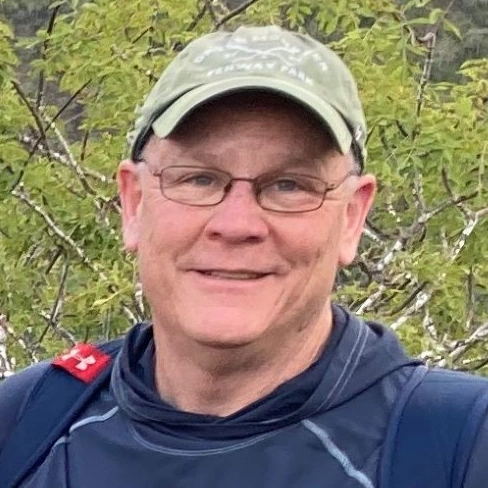
George A. O'Toole Jr is a distinguished microbiologist and leading authority in bacterial biofilm research at Dartmouth's Geisel School of Medicine. He currently holds the prestigious Elmer R. Pfefferkorn, Ph.D. Professorship in Microbiology and Immunology while also serving as an Adjunct Professor of Biological Sciences. After earning his B.S. from Cornell University in 1988 and his Ph.D. from the University of Wisconsin-Madison in 1994, Dr. O'Toole completed postdoctoral training at both the University of Wisconsin-Madison and Harvard Medical School. He joined the Geisel School of Medicine as an Assistant Professor in 1999 and rose to the rank of Full Professor in 2010, establishing himself as a central figure in Dartmouth's microbiology research community.
Dr. O'Toole's groundbreaking research has fundamentally transformed our understanding of bacterial biofilms, complex surface-attached microbial communities that play critical roles in medical infections and environmental systems. His laboratory pioneered key discoveries regarding the molecular mechanisms of biofilm formation, particularly focusing on the role of the intracellular signaling molecule c-di-GMP in controlling biofilm development in Pseudomonas species. His work has elucidated how polymicrobial interactions within biofilms contribute to antibiotic tolerance in cystic fibrosis patients, revealing unexpected connections between gut microbiota and airway disease progression. These insights have provided new frameworks for understanding host-pathogen interactions in chronic infections and have opened novel therapeutic avenues for addressing antibiotic-resistant bacterial communities that form on medical implants and in human tissues.
Beyond his research achievements, Dr. O'Toole has been instrumental in training the next generation of microbiologists through his leadership in Dartmouth's Molecular and Cellular Biology Graduate Programs. He has actively championed the importance of continued scientific investment, advocating for sustained federal support for basic research that drives medical innovation. His laboratory continues to explore the complex interplay between microbial communities and host physiology, with current projects examining the signaling pathways that regulate surface sensing and biofilm initiation. As biofilm-related infections remain a major clinical challenge worldwide, Dr. O'Toole's ongoing work promises to yield further insights with significant implications for infection control, antimicrobial development, and our fundamental understanding of microbial behavior in complex environments.